Batch cooking a week of weekday lunches
Cooking a few components on the weekend makes weekday lunches easy. The part worth getting right is cooling and storing food safely.
By TrendGuides Editors · October 14, 2026 · 4 min read
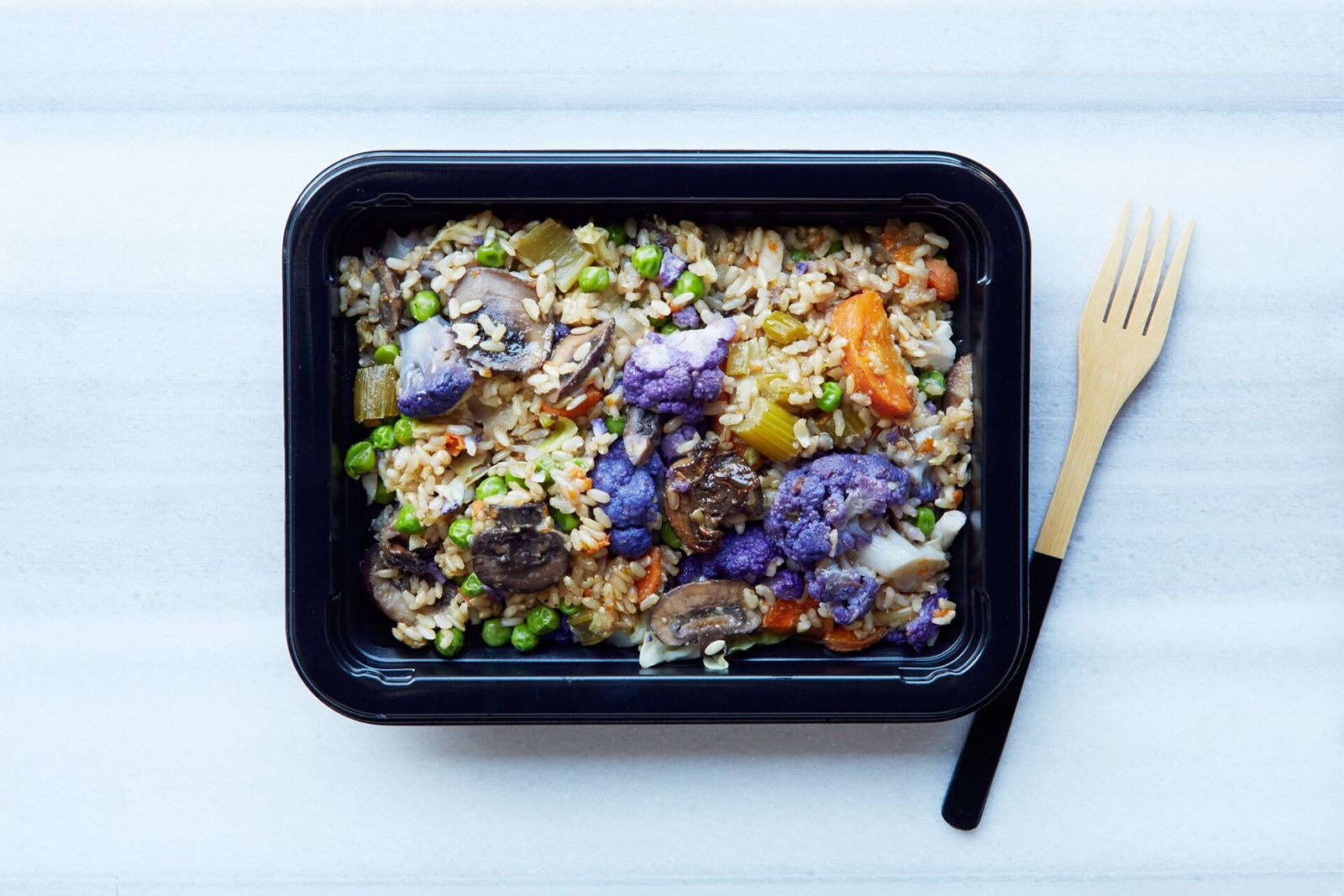
Batch cooking is less about elaborate meal-prep systems and more about doing a little cooking once so that several lunches are nearly ready. Make a pot of grains, roast a tray of vegetables, cook a protein, and you can mix and match them all week. The cooking is the easy part. The part worth taking seriously is how you cool and store the food, because that is where a good idea turns into a stomachache if you get it wrong.
Cook components, not finished meals
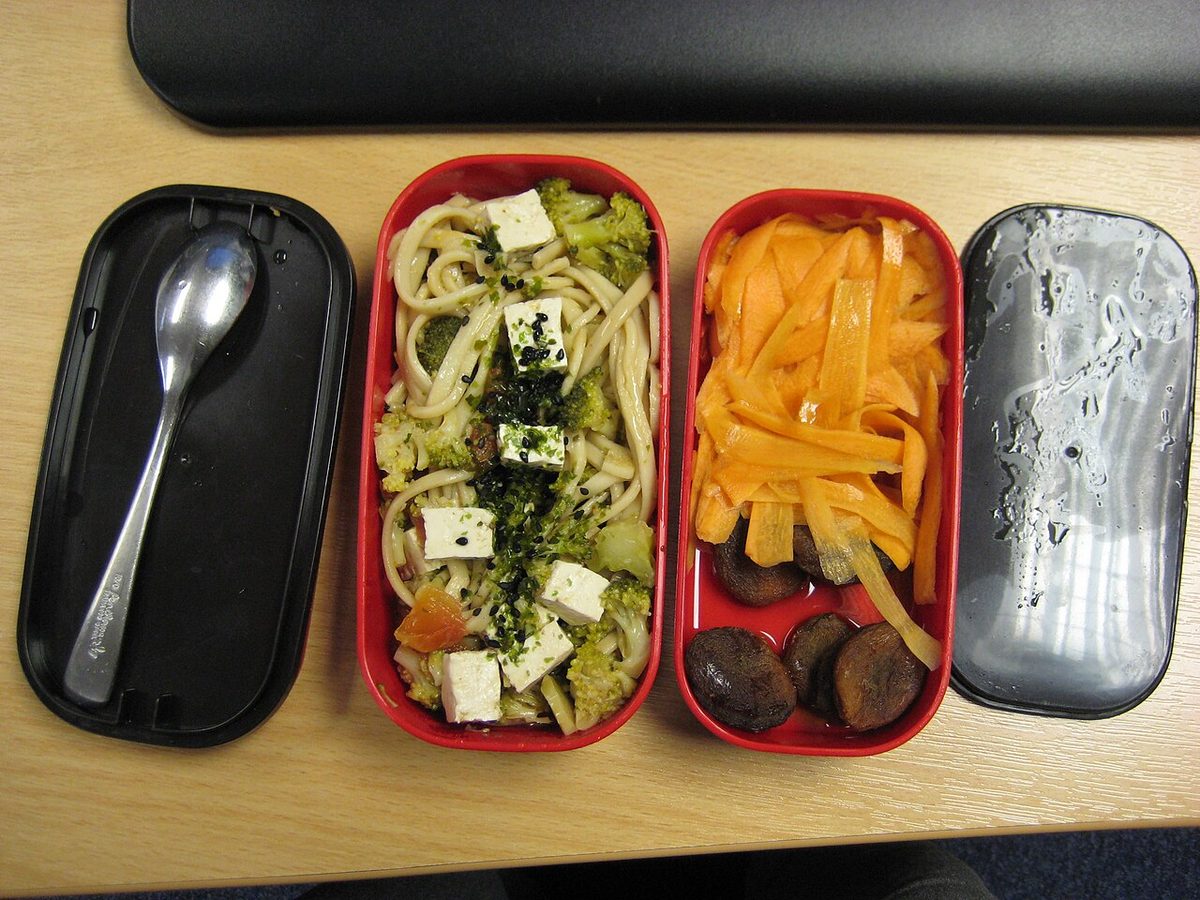
Instead of assembling five identical boxes on Sunday, cook a few building blocks and combine them differently through the week. A base of grains, a couple of vegetables, a protein, and a sauce give you several meals that do not taste the same by Wednesday.
- A grain or starch, such as rice, farro, pasta, or potatoes.
- One or two vegetables, roasted or quickly cooked, since they reheat better than raw salad.
- A protein, such as beans, chicken, tofu, eggs, or lentils.
- A sauce or dressing kept separate and added at lunch so nothing goes soggy.
Keeping the sauce apart is the small trick that stops a prepped lunch from feeling tired. Combine the parts the night before or the morning of, not days ahead.
Cool food quickly and safely
This is the step most people skip. Bacteria grow fastest in the range between about 40 and 140°F (4 and 60°C), so the goal is to move food through that zone quickly. General food-safety guidance is to get cooked food into the fridge within two hours of cooking, and within one hour if the kitchen is hot, above about 90°F (32°C).
- Divide hot food into shallow containers so it cools faster than it would in one deep pot.
- Leave the lid off or ajar until the food stops steaming, then seal it.
- Do not leave food on the counter to cool for hours; two hours is the outer limit.
- Keep the fridge at or below 40°F (4°C) and do not pack it so tight that air cannot move.
The cooking is the easy part.
Store, label, and reheat
Cooked food keeps in the fridge for about three to four days. Beyond that, the freezer is the safer home. Label each container with what it is and the date you made it, because by Thursday you will not remember, and when in doubt, throw it out is the right instinct with food of uncertain age.
| Food | Fridge (at or below 40°F) | Freezer |
|---|---|---|
| Cooked grains | 3 to 4 days | 1 to 2 months |
| Cooked vegetables | 3 to 4 days | Varies by type |
| Cooked chicken or meat | 3 to 4 days | 2 to 6 months |
| Cooked beans or lentils | 3 to 4 days | 1 to 2 months |
When you reheat, heat food all the way through until it is steaming hot, to about 165°F (74°C) if you are checking with a thermometer. Reheat only the portion you are about to eat rather than warming and re-cooling the whole batch, which costs it a day of life each time.
Freeze the extra well
Anything you will not eat within three or four days belongs in the freezer, and a little care there pays off. Cool food fully in the fridge before freezing so it does not warm everything around it, then pack it in portion sizes you will actually use, since a single giant block thaws slowly and forces you to reheat more than you want. Flat, labeled bags freeze fast, stack well, and thaw quickly.
Some foods freeze better than others. Cooked grains, soups, stews, beans, and most sauces freeze and reheat well. Cooked plain vegetables can turn soft, and anything with a lot of water, like salad greens or cucumber, does not freeze at all. Plan the freezer-bound portions around the foods that hold up, and keep the delicate fresh elements for the first couple of days.
Thaw in the fridge overnight rather than on the counter, where the outside warms into the unsafe range while the middle is still frozen. If you forgot, thawing in the microwave just before reheating is fine as long as you cook it through right after. A full freezer also runs more efficiently than an empty one, so a stocked freezer of labeled lunches works in your favor.
Make it sustainable
Start small. Cooking two components the first week beats an ambitious plan you abandon by Tuesday. Pick meals you genuinely want to eat, keep a few containers of the same size so they stack, and treat batch cooking as a habit you scale up, not a project you perfect.
Photo credits
- Photo: Ella Olsson from Stockholm, Sweden / Wikimedia Commons, CC BY 2.0
- Photo: artethgray / Wikimedia Commons, CC BY 2.0
- Photo: Robert Loescher / Wikimedia Commons, CC BY-SA 4.0
TrendGuides writes about product categories and methods, not about specific brands or models. We do not accept payment for placement. Read our editorial standards and affiliate disclosure.