Keeping houseplants alive in low light
A north window or a dim corner narrows your options, but plenty of houseplants handle it. The trick is watering less, not loving them more.
By TrendGuides Editors · September 22, 2026 · 4 min read
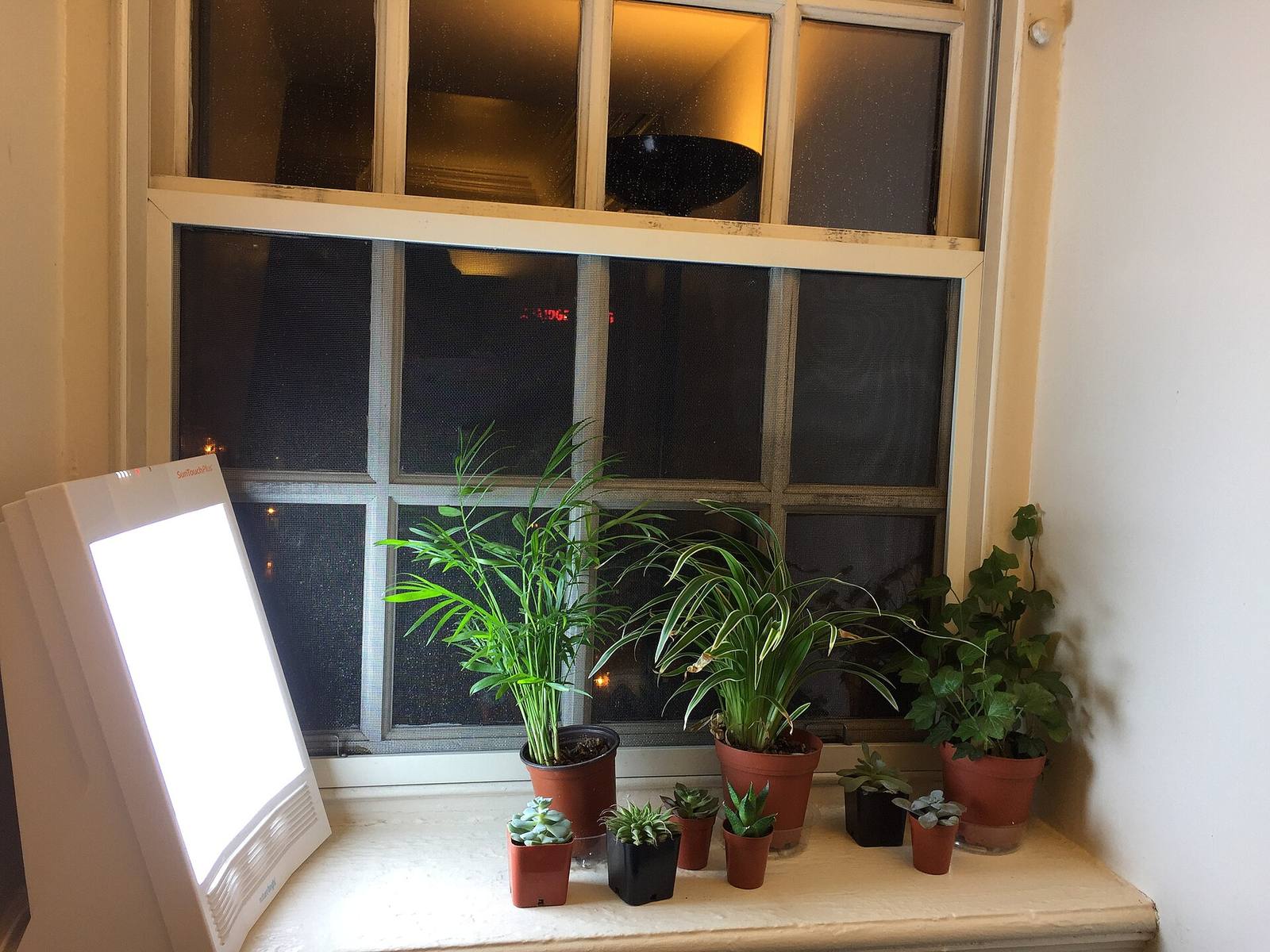
Low light is the most common reason houseplants fail, and also the most misunderstood. A plant sold as low-light does not grow in the dark; it tolerates less light than most, and it grows slowly while it does. The real danger in a dim room is not the lack of light on its own. It is that people keep watering on the schedule they would use in a bright window, and the roots sit wet and rot.
Pick plants that actually tolerate it
Some species are genuinely forgiving of a north-facing window or a spot a few feet back from a brighter one. These are worth starting with:
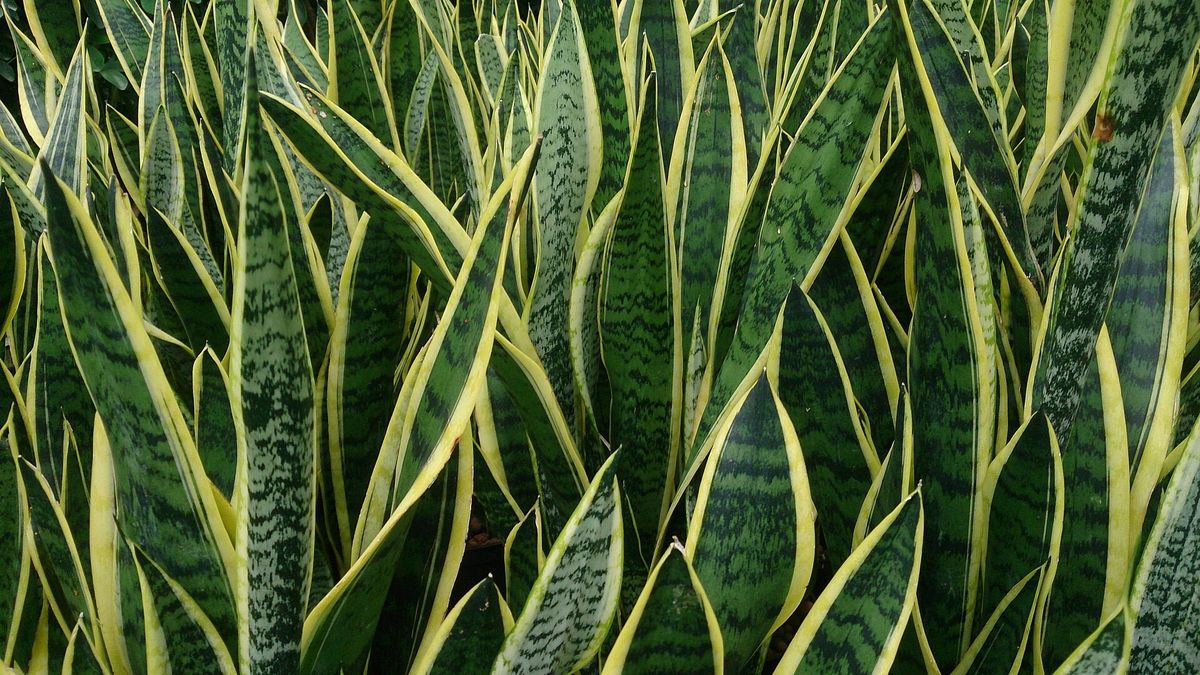
- Snake plant (Dracaena trifasciata), which handles dim corners and irregular watering better than almost anything.
- ZZ plant (Zamioculcas zamiifolia), slow, glossy, and happy to be left alone.
- Pothos, a trailing vine that stays green in low light and droops clearly when it is thirsty.
- Cast iron plant (Aspidistra), named for its toughness.
- Peace lily, which flowers less in low light but keeps its leaves and wilts visibly when dry.
Plants with variegated or brightly colored leaves usually need more light to keep their patterns, so a plain green variety is the safer pick for a dark spot.
Water less than you think
In low light a plant uses water slowly, so the soil stays damp far longer. The single most useful habit is to check before you pour. Push a finger an inch or two into the soil; if it feels moist, wait. For most low-light plants, letting the top third of the pot dry out between waterings is about right, and some, like the snake plant and ZZ, want to go nearly dry throughout.
Drainage is not optional. Use a pot with a hole and empty the saucer after watering, so the roots never stand in water. A plant in a dim room with no drainage is the classic way to drown one slowly.
Small things that help
A few low-effort habits make a real difference in a darker room:
- Wipe dust off the leaves every few weeks so the light that is there can reach them.
- Rotate the pot a quarter turn when you water, so the plant grows evenly instead of leaning.
- Hold off on fertilizer in the darker months, when the plant is barely growing and does not need it.
- Move plants closer to the window in winter, when daylight is shorter and weaker.
The real danger in a dim room is not the lack of light on its own.
Read the warning signs
Plants tell you when the light is wrong. Long, stretched stems with wide gaps between leaves mean the plant is reaching for more light; move it closer to a window. Pale or dropping leaves can mean too little light or too much water, so check the soil before you do anything. New leaves that come in much smaller than the old ones are another sign the spot is too dim for real growth, even if the plant is surviving.
If a corner is genuinely dark, a simple grow light on a timer fills the gap without much fuss. But for most rooms, choosing a tolerant plant and watering with restraint is enough.
Give it the right pot and soil
The container does as much as the watering. A pot only slightly larger than the root ball is better than a big one, because a large pot holds more soil, which holds more water, which takes longer to dry and raises the risk of rot in a dim room. Go up one pot size at a time when a plant outgrows its home, not several.
Soil should drain freely. A standard houseplant mix works for most, but succulents and the toughest low-light plants like the snake plant and ZZ do better with a grittier cactus mix or a handful of perlite added, which lets water pass through instead of sitting around the roots. Terracotta pots breathe and dry faster than plastic or glazed ceramic, which helps if you tend to overwater.
Temperature and drafts matter less than light and water, but they are easy to get wrong. Most common houseplants are comfortable in the same range people are, roughly 60 to 75°F (16 to 24°C), and dislike cold drafts from a door or the hot, dry air directly above a radiator. Keep them away from both and you remove two more ways a plant quietly declines.
Photo credits
- Photo: Asdfjrjjj / Wikimedia Commons, CC BY-SA 4.0
- Photo: Mokkie / Wikimedia Commons, CC BY-SA 3.0
- Photo: Morinimnas / Wikimedia Commons, CC BY-SA 4.0
TrendGuides writes about product categories and methods, not about specific brands or models. We do not accept payment for placement. Read our editorial standards and affiliate disclosure.