Linen vs cotton vs percale: picking bed sheets
Thread count sells sheets but rarely decides how they feel. Weave and fiber do. Here is how linen, cotton percale, and sateen actually differ.
By TrendGuides Editors · October 9, 2026 · 4 min read
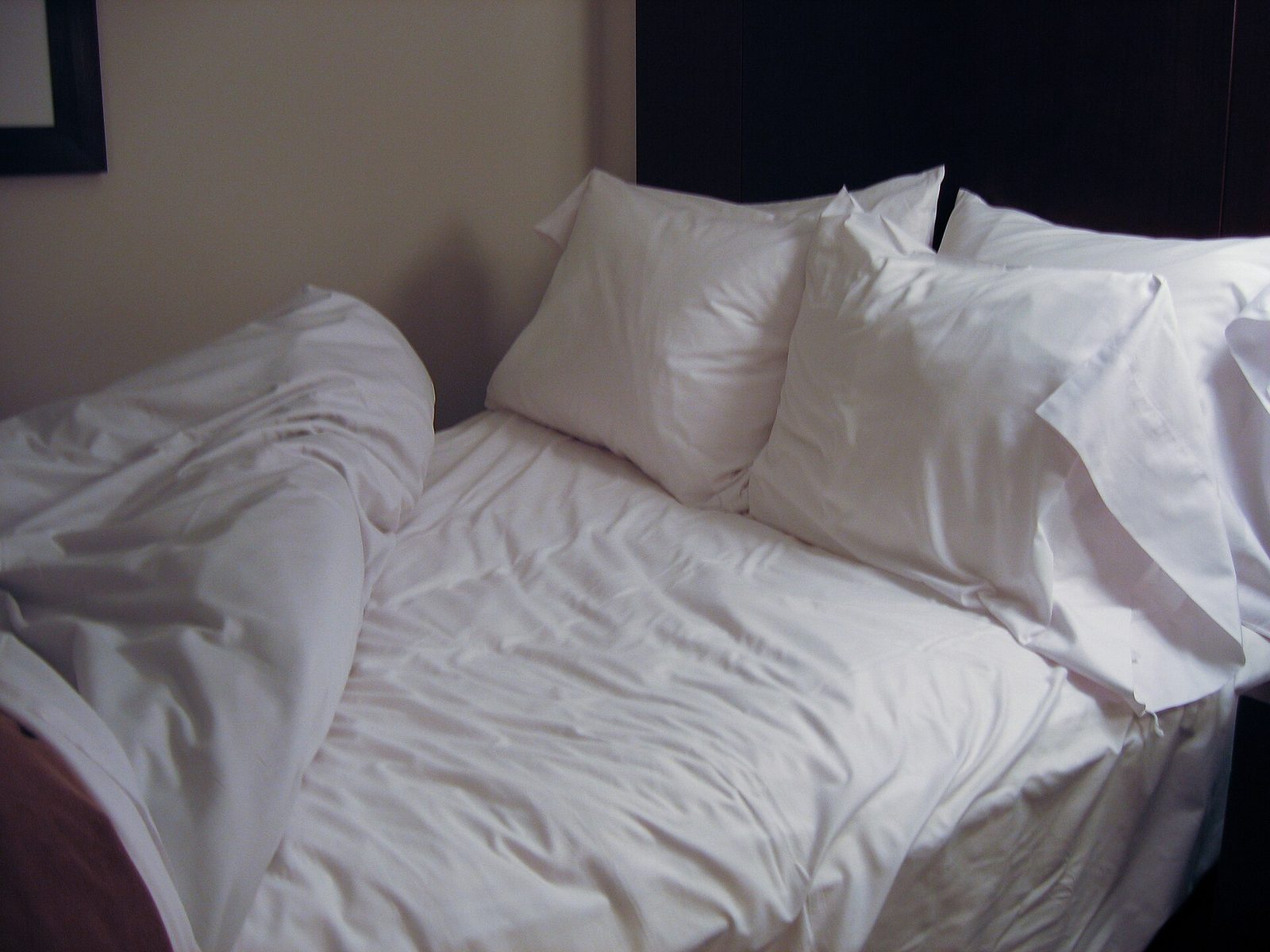
Sheet shopping is full of numbers that do not mean much and words that do. Thread count, the figure printed largest on the package, is a weak guide to how a sheet feels or lasts. What actually shapes the experience is the fiber the sheet is made from and the way it is woven. Three terms cover most of what you will see: linen, and two cotton weaves, percale and sateen.
Thread count is mostly noise
Thread count is the number of threads woven into a square inch. Past a point, somewhere around 300 to 400 for most weaves, higher numbers add little and are often reached by padding the count with thin, multi-ply threads. A sensible thread count made from good fiber beats a sky-high one made from weak thread. Treat very high numbers as marketing, not quality.
The more useful questions are what the sheet is made of and how it is woven, because those decide whether it sleeps cool, feels crisp or smooth, and holds up over years of washing.
Linen
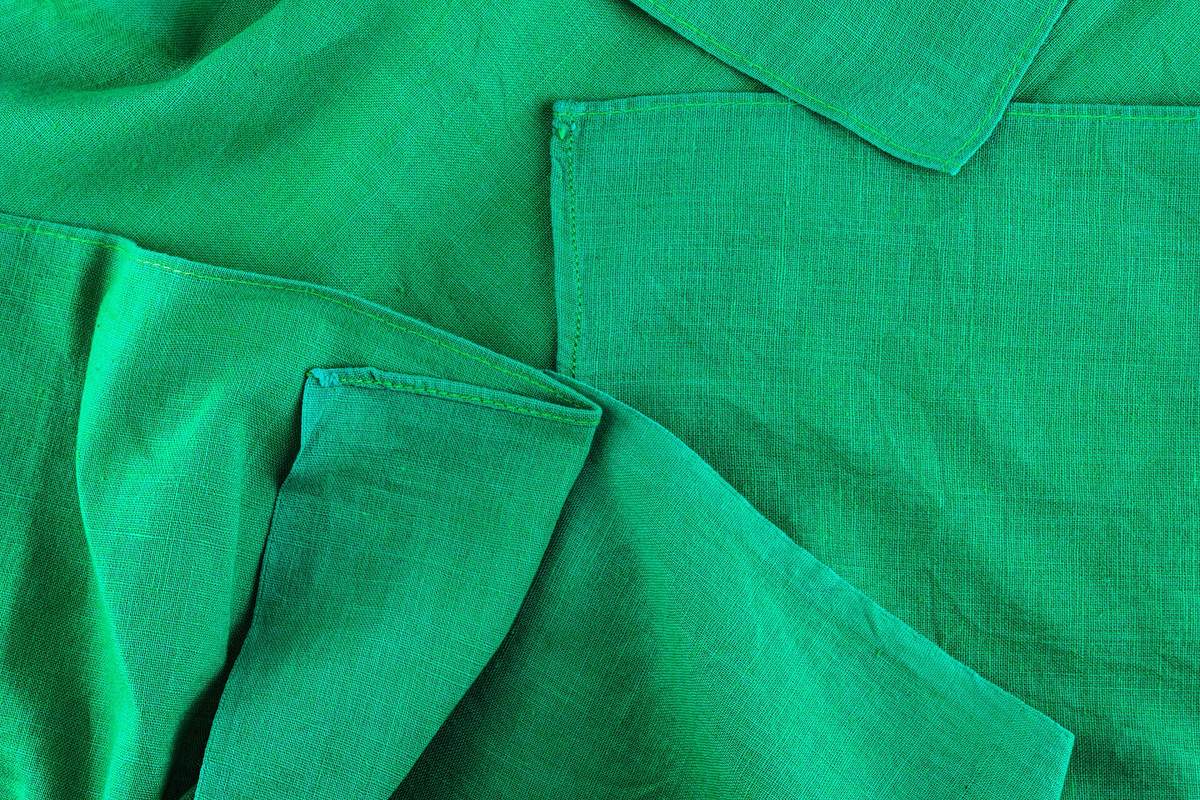
Linen is made from the flax plant. The fibers are thick and the weave is loose, which makes linen the most breathable common sheet and a good choice if you sleep warm or live somewhere hot. It has a textured, slightly rumpled look that never presses perfectly flat, and it feels cool and dry rather than soft at first. Linen softens with every wash and lasts a long time, though it wrinkles freely and usually costs more upfront.
Cotton: percale versus sateen
Most sheets are cotton, and the weave is what splits them. Percale is a simple over-one, under-one weave. It feels crisp and matte, like a fresh dress shirt, and it breathes well, so it sleeps cool. Sateen uses a weave that floats more threads on the surface, which makes it smooth, slightly shiny, and warmer to the touch. Neither is better; they are different feels.
| Feel | Sleeps | Look | |
|---|---|---|---|
| Linen | Textured, cool | Coolest | Relaxed, rumpled |
| Percale | Crisp, matte | Cool | Clean, flat |
| Sateen | Smooth, silky | Warmer | Slight sheen |
Fiber quality within cotton matters as much as weave. Long-staple cottons, sold under names like Egyptian, Pima, or Supima, use longer fibers that make a smoother, stronger, longer-lasting sheet with less pilling. That label is worth more than a high thread count.
A sensible thread count made from good fiber beats a sky-high one made from weak thread.
How to choose
Start from how you sleep and what you like to touch. If you run hot or want the coolest sheet, choose linen or cotton percale. If you like a smooth, almost slippery surface and do not mind a touch more warmth, choose sateen. If you hate ironing and like a lived-in look, linen hides wrinkles because it is supposed to have them; percale shows them most.
Whatever you pick, buy the best fiber you can rather than the biggest number, wash the sheets before first use, and skip fabric softener, which coats the fibers and dulls both the crispness of percale and the breathability of linen over time.
Caring for sheets so they last
Good sheets reward a little care and punish neglect. Wash them before the first use to rinse out the finishing chemicals that make new sheets feel stiff, and wash them roughly weekly after that in warm rather than hot water, which is gentler on the fibers. Skip bleach on anything but plain white cotton, and skip fabric softener entirely, since it leaves a coating that makes percale less crisp and linen less breathable over time.
Dry on low heat or hang them to dry if you can. High heat is the main thing that wears sheets out early, breaking down the fibers and shrinking them, so take them out while still slightly damp and either smooth them onto the bed or finish on a cool setting. Rotating between two sets, rather than running one set every week, roughly doubles how long each pair lasts.
A word on blends and other fibers
You will also see cotton-polyester blends and so-called microfiber, usually the cheapest option. They resist wrinkles and cost little, but they trap more heat and tend to feel slick rather than crisp or soft. Bamboo-derived fabrics are sold as cool and silky and often are, though the feel depends on how they are made. If budget is the deciding factor a blend is fine; if feel and breathability are what you care about, a single natural fiber is the safer bet.
Photo credits
- Photo: Liz Lawley / Wikimedia Commons, CC BY-SA 2.0
- Photo: Franz van Duns / Wikimedia Commons, CC BY-SA 4.0
- Photo: Smabs Sputzer / Wikimedia Commons, CC BY 2.0
TrendGuides writes about product categories and methods, not about specific brands or models. We do not accept payment for placement. Read our editorial standards and affiliate disclosure.