How to season and care for a cast iron skillet
A cast iron pan rewards a little routine. Here is how to build and keep the slick, dark finish that does the real work, and how to bring a neglected pan back.
By TrendGuides Editors · September 8, 2026 · 4 min read
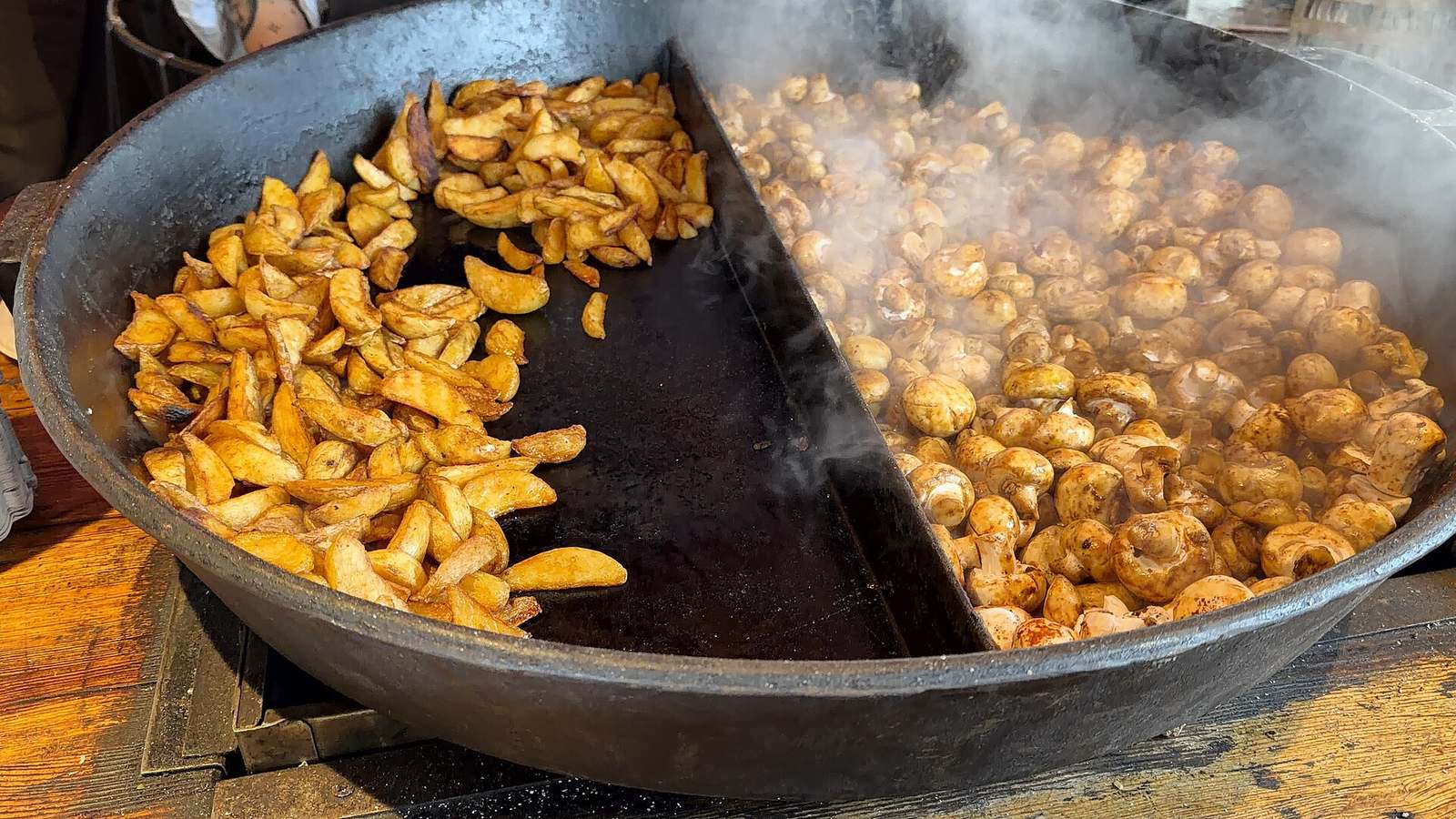
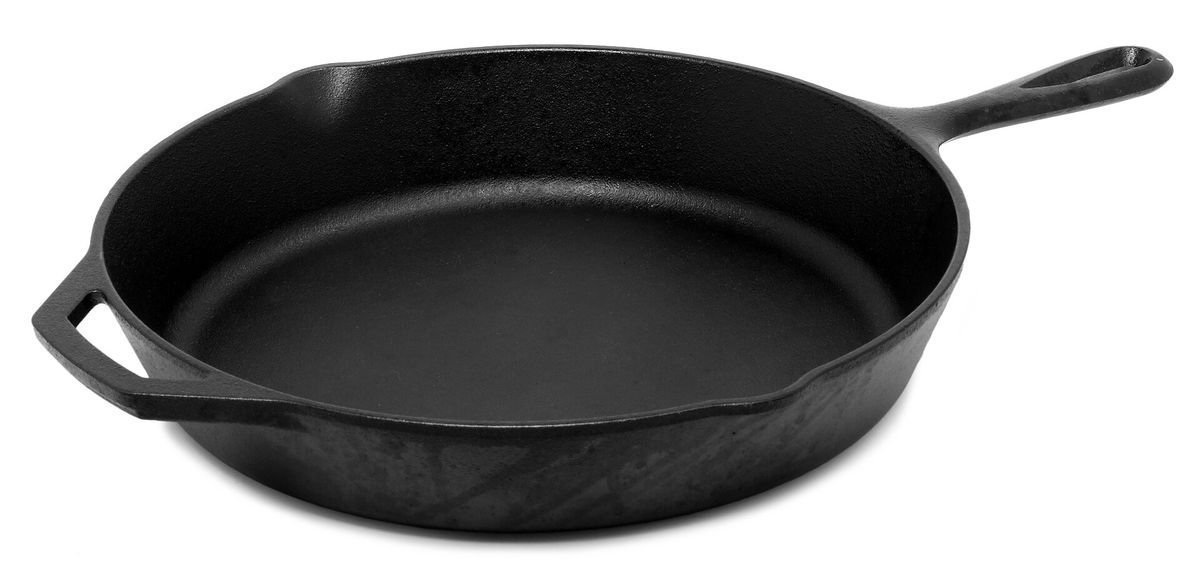
A cast iron skillet is one of the few pans that gets better the more you use it. The dark, slightly glossy surface that builds up over months is not dirt. It is a thin layer of oil that has been baked onto the metal until it turns hard and smooth, and it is what lets eggs slide and steaks release. Treat that layer well and a cheap pan will outlast most of your kitchen.
What seasoning actually is
Seasoning is polymerized oil. When you heat a very thin coat of fat past its smoke point, it breaks down and bonds to the iron as a solid, plastic-like film. Each round of cooking and oiling adds to it. That is why a well-used pan looks black and feels almost waxy, while a new one is dull gray. Everything below is about growing that film and avoiding anything that strips it.
Bare iron rusts and sticks. A seasoned pan resists both, though it is never truly nonstick the way a coated pan is. Expect it to hold its own with fatty foods first, and to improve with every use.
Seasoning a new or stripped pan
Most new pans come pre-seasoned but still benefit from a few coats. The oven method gives the most even result:
- Scrub the pan with hot water and a little dish soap to remove factory wax or grit, then dry it completely.
- Warm it on the stove for a couple of minutes so the last of the moisture leaves.
- Rub on a very thin coat of a neutral high-smoke-point oil such as grapeseed, canola, or refined sunflower, then wipe it back off until the pan looks almost dry.
- Set the pan upside down in an oven at 450 to 500°F (230 to 260°C) with a tray underneath to catch drips. Bake for an hour, then let it cool in the oven.
- Repeat two or three times for a solid base.
The thin-coat step matters more than any other. Too much oil pools and bakes into sticky, uneven patches that flake later. If the surface feels tacky, you used too much; wipe harder next time.
Everyday cleaning
Clean the pan while it is still warm, not scalding and not stone cold. Rinse under hot water and use a brush or a non-metal scrubber. A small amount of dish soap is fine on a well-seasoned pan and will not ruin it; the old warning against soap dates from an era of harsh lye-based detergents. For stuck-on bits, scrub with a tablespoon of coarse salt as a gentle abrasive.
The one rule that still holds: dry it right away and never let it air-dry or soak. Put it back on a low burner for a minute to drive off water, then wipe a tiny amount of oil over the inside while it is warm. Store it dry, with a paper towel between stacked pans.
Fixing rust and sticky spots
Rust looks alarming but is easy to undo. Scrub the orange areas with steel wool or a stiff brush until you reach clean gray metal, wash, dry, and run through the seasoning steps again. For a sticky or blotchy film from overdone oiling, scrub it back and re-season with thinner coats. A pan is almost never beyond saving.
| Problem | Likely cause | Fix |
|---|---|---|
| Food sticks | Too little seasoning, or pan too cool | Preheat longer, add fat, build more coats |
| Orange rust | Stored wet or left to soak | Scrub to bare metal, then re-season |
| Tacky surface | Oil coat too thick | Scrub it off and re-season thinly |
| Smells off | Old oil gone rancid | Heat the pan, wipe it, re-oil lightly |
The thin-coat step matters more than any other.
What to cook first
Lean into the pan's strengths early. Bacon, burgers, cornbread, roasted vegetables, and anything you sear all add fat and heat that reinforce the seasoning. Go easy on very acidic foods like tomato sauce or a long wine reduction until the finish is well established, since acid can eat into a young layer. Once the pan is years-deep and black, the occasional acidic dish is no problem.
Cast iron holds heat well and spreads it slowly, so give it two or three minutes to preheat before food goes in, and use medium rather than high for most jobs. Add a thin film of oil, let it shimmer, then cook. The more you use the pan, the less you will think about any of this.
Photo credits
- Photo: Fidan Masimova FoodTour.info / Wikimedia Commons, CC BY 4.0
- Photo: Evan-Amos / Wikimedia Commons, Public domain
- Photo: Taylorderek / Wikimedia Commons, CC BY 4.0
TrendGuides writes about product categories and methods, not about specific brands or models. We do not accept payment for placement. Read our editorial standards and affiliate disclosure.